Category Archives: Reproductive Health

Reproductive Medicine’s Gift: 5 Million Babies

Reproductive Medicine’s Gift: 5 Million Babies

2013-10-21

Methods like IVF have brought 2.5 million babies into the world in the last six years alone

babies1

About 5 million babies have been born with the help of advanced reproductive medicine since 1978, a medical group said Tuesday.

The International Committee for the Monitoring of Assisted Reproductive Technology, which represents fertility groups, unveiled the estimate at a reproductive medicine meeting in Boston. So-called Assisted Reproductive Technology (ART) includes fertility treatments like in vitro fertilization, among others.

“The number of babies born through ART is now about the same as the population of a U.S. state such as Colorado, or a country such as Lebanon or Ireland,” Richard Kennedy, a committee board member, said in a statement. “This is a great medical success story.”

According to group’s calculations, the number of ART babies grew rapidly over the last few decades. By 1990, there had been an estimated 90,000 births worldwide with the help of ART; by 2000, 900,000 births; and by 2007, 2.5 million births.

More than half of the 5 million ART babies were born in the last six years.

The last word on hormone therapy?

The last word on hormone therapy?

2013-10-07


ht

When Janice hit menopause, she had terrible night sweats and hot flashes, but she was scared to undergo hormone replacement therapy.

Janice (who asked that her full name not be used for privacy reasons) had heard this treatment might be dangerous to her heart, and worried about risking her health.

It’s a concern many women have shared over the past decade since the benefits of hormone replacement therapy have been called into question. A large study called the Women’s Health Initiative (WHI) was instrumental in casting doubt on these hormones.

Tuesday, scientists from the WHI released what they say is the definitive study on the safety of hormone replacement therapy (HRT).  The bottom line: It’s OK for most healthy women who have just entered menopause to take hormones for a short period of time, but the researchers do not recommend it for long-term use. The results are published in this week’s Journal of the American Medical Association.

Background

Hormone replacement therapy is used to replace estrogen and other female hormones that are no longer produced after menopause. For decades, doctors thought HRT was good for women’s hearts and prescribed it, in part, to prevent heart disease.  About 40% of menopausal women used these hormones.

In the 1990s, more than 27,000 women were enrolled in a clinical trial through the WHI. Scientists wanted to find out if HRT really prevented heart disease and other chronic diseases.  But in 2002, a major part of the trial using two kinds of hormones (estrogen plus progestin) was suspended.  Researchers found some of the participants had serious health problems, including an increased risk of coronary heart disease, breast cancer and stroke. Two years later, the remainder of the clinical trial, involving women who had hysterectomies and were on only one hormone (estrogen), was also shut down due to health concerns.

When the WHI study was suspended, it received a lot of attention, both in the medical world and in the media. Many doctors stopped prescribing oral HRT.  Today only about 10% to 15% of menopausal women still take them, experts say.

The study

For this study, scientists looked back at 13 years of research on the WHI participants. The main message is: Most menopausal women should not use long-term hormone therapy for the purpose of preventing heart disease or other chronic diseases, says Dr. JoAnn Manson, one of the principal investigators of the WHI trial and Chief of Preventive Medicine at Brigham and Women’s Hospital in Boston, Massachusetts.

The WHI research found older women taking HRT are at a higher risk of blood clots, stroke and, in some cases, heart attacks.

But for most healthy women who are beginning menopause and suffering severe symptoms such as hot flashes and trouble sleeping, HRT can be a good option.

“It’s very likely that the quality of life benefits will outweigh the relatively small risk of having an adverse event,” Munson says.

However, Munson adds, women who have a history of heart disease or breast cancer may want to avoid HRT.

Some observers hope this study will put to rest the debate over HRT.  Over the years, some doctors have been critical of the way information from the WHI HRT trials has been interpreted.

“There are some risks and there are some benefits, but the risks in the grand scheme of things are not nearly as great as they have been portrayed,” said Dr. Holly Thacker, director of the Cleveland Clinic Center for Specialized Women’s Health in Cleveland, Ohio.

“Many of my patients still fear them, out of proportion to the data. This result helps put them into perspective once again and ought to be reassuring to women with average risk,” says Dr. Nanette Santoro, chair of the Department of Obstetrics and Gynecology at the University of Colorado in Aurora, Colorado.

About 15% to 20% of women in early menopause have moderate to severe symptoms and might benefit from taking HRT, according to Manson. Health care providers now often prescribe lower doses of oral HRT or potentially safer options such as the hormone patch, gels or vaginal creams.

For Janice, talking to her doctor put her mind at ease.

“My doctor explained the pros and cons of hormone therapy, assuring me that for me it was a good option,” says Janice. “My night sweats are pretty much gone.”

Breast cancer screening Qs answered

Breast cancer screening Qs answered

By Dr. Otis Brawley, CNN contributor

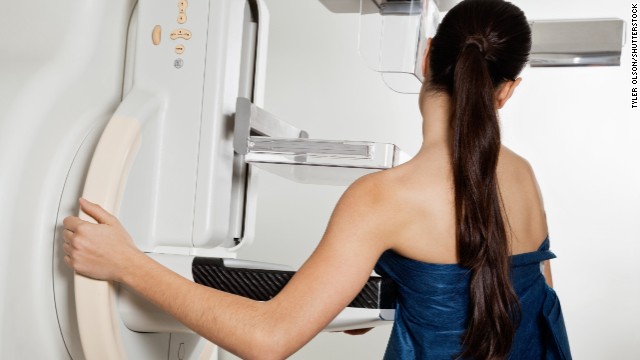
For years there has been much discussion about mammography screening. Several medical organizations have reviewed the scientific literature and made various recommendations — to begin screening at age 40, or to begin at age 50. Some recommended screening every year; others said every two years.

Since the 1960s, doctors and patients have believed that mammographic screening and early detection of breast cancer, combined with effective treatment, will save lives. There are now at least eight large clinical trials that definitively show screening saves lives for women aged 50 to 69.

Unfortunately, the data for women aged 40 to 49 are not as clear.

Because of that, confusion surrounds breast cancer screening. In honor of Breast Cancer Awareness Month, I decided to tackle some of the most common questions:

Why is mammography a better test for older women?

The answer is twofold: It is easier to see a cancer in mammograms of older women, and older women are more likely to have cancer.

When the radiologist reads a mammogram or X-ray of the breast, cancer appears white. Young breasts have more dense tissue compared to older breasts; a dense breast appears white on mammogram. So in younger women, the radiologist is looking for white on a white background.

The aging of the breast slowly turns its X-ray appearance from white to black. In the breast of a 60- or 70-year-old woman, the radiologist is looking for white on a black background. For women in their 40s, the background can range from whitish to grayish, depending on the density of the individual’s breasts.

A mass seen on a mammogram done on an older woman is also more likely to be cancer than one found in a younger woman. One in every 42 women will develop breast cancer in their 60s, compared to one in 28 women in their 50s. So a mass found in a younger woman may not have an effect on saving her life. In fact, it could do the opposite if unnecessary treatment is performed.

What are some of the limitations of mammography?

Mammography screening is not very effective in women between the ages of 20 and 40, and only moderately effective in women aged 40 to 49.

It is estimated through mathematical modeling that regular screening of a woman between ages 40 and 49 will decrease her risk of breast cancer death by about 15%. In comparison, clinical trials show that screening reduces risk of death by 20% to 35% in women aged 50 to 70.

It is estimated that 1,900 women will have to undergo an annual mammogram in order to save one life. A substantial number of these women (by some estimates more than half) will have an abnormal screen during that decade. These abnormal screens require additional testing and inconvenience. This, of course, also causes a lot of fear and worry. Most of those abnormalities will turn out to be clinically insignificant.

One harmful effect of screening women aged 40 to 49 is that some women have such a bad experience with callbacks for re-evaluation that they stop getting screened, and even refuse screening when they are in their 50s and 60s, when mammography is a more useful test.

Some organizations recommend screening every other year versus every year. There are data to suggest that every-two-year screening saves almost as many lives (about 85% to 90%) as every-year screening, but the number of false positives is halved.

What do the most respected organizations recommend?

While most American organizations recommend annual, high-quality screening beginning at age 40, a few recommend routine mammography start at age 50. Even these organizations say that women who are very concerned about breast cancer and want to start earlier can do so. The choice is yours.

But as you make that choice, know the limitations of mammographic screening.

It is a fact that high-quality breast screening will find some abnormalities that, after extensive evaluation, turn out not to be cancer. High-quality evaluation will miss some cancers. This is especially true in younger women, and can be true even in older women with denser breasts.

So should younger women get screened?

A small number of women will develop breast cancer before the age of 40. No organization recommends mammography for average-risk women under 40.

Women without a family history and with average risk should receive a clinical breast examination with their regular gynecologic examination. They should also be aware of their bodies and get medical assistance if they detect a change in their breast.

Those who have a family history of early breast cancers should consult a physician with expertise in breast cancer. Some of these women will be candidates for screening using magnetic resonance imaging.

The opinions expressed in this article are solely those of Dr. Otis Brawley.

5 questions to ask before having penis surgery

5 questions to ask before having penis surgery

2013-09-12

The penis is a highly vascularized organ, which means there’s a lot of blood running through it, so cutting into it can be risky

If you’re a woman contemplating surgery on your female parts, you’ll find plenty of ladies chatting and blogging away about their experiences, often on websites adorned with pink ribbons.

But if you’re a man considering male surgery there’s not so much out there. There’s no ribbon for, say, penis surgery, and comparatively few men trading stories and sharing advice.

“Women are much more engaged with their health,” says Dr. Dennis Pessis, president-elect of the American Urological Association. “It’s gotten better in the past 15 years, but still, men don’t always seek out the best treatments for themselves.”

Penis surgery has been in the spotlight this week as a civil trial in Kentucky made national headlines. Phillip Seaton, a Kentucky truck driver, sued his urologist, Dr. John Patterson, saying he went in for a circumcision but left the surgery with part of his penis amputated. Patterson says Seaton had cancer and needed the amputation or he would have died. The doctor won the case on Wednesday, according to CNN affiliate WDRB.

Seaton’s experience is certainly rare, surgery on the penis isn’t. While good statistics are hard to find, tens of thousands of men in the United States get circumcised as adults. Other common surgeries include implants for men suffering erectile dysfunction and removal of genital warts. Here’s the Empowered Patient list of questions every man should ask before having these procedures on this most valued and delicate of organs.

1. Do I really need this procedure?

Think twice (or more) before having the surgery. It’s a highly vascularized organ, which is a fancy way of saying there is a lot of blood running in and out of it, so cutting into it can be risky. Men getting circumcised as adults should consider the risk of bleeding, especially if they’re on a blood thinner, including aspirin.

Getting implants requires cutting, too, and doctors urge men with erectile dysfunction to try other, less risky, treatments first, such as drugs like Viagra, penile injections, or a penis pump, an external device that fits over the organ.

You’ll also need to choose what kind of anesthesia you’ll want for your circumcision. You can opt for a local anesthetic and a sedative — you’ll be (or should be) relaxed but awake. Men who are especially anxious about the surgery often opt for general anesthesia, which is slightly more risky but ensures they’ll be totally out for the procedure.

As for genital warts, if a man is not experiencing problems such as itching, burning or pain, he may not need treatment, according to the Mayo Clinic.

2. What are my treatment options?

There is more than one type of penile implant and there is more than one way to remove genital warts. Doctors tend to specialize in one method over the other, so make sure your doctor lays out all the options and refers you to another doctor who can perform the procedure the way you prefer.

There are two types of implants. With inflatable implants, doctors put cylinders inside the penis, a pump in the scrotum, and a fluid reserve inside either the scrotum or the abdominal wall. Before sex, you pump the fluid into the cylinders to create an erection. After sex, you activate a release valve in the scrotum to let the fluid out.

The second type of implant involves putting semi-rigid rods into the penis, and it is bent away from the body to have sex (think of it as a goose-necked desk lamp that can be pointed in various directions). For more on various types of penile implants, see information from the Mayo Clinic and the American Urological Association.

For warts, you can treat them yourself or your doctor can treat them. If you choose the DIY approach, your doctor prescribes a medicine for you to apply at home. If you prefer to have your doctor treat the warts, there are several options: Your doctor can apply a medicine, which is sometimes a stronger version of what you can apply at home. There is also an option to cauterize or laser the warts, or to freeze them off with liquid nitrogen.

“You should give yourself some time to make the right decision,” says Dr. Gopal Badlani, a urologist at Wake Forest Baptist Medical Center. “You don’t want to decide at the first appointment.”

For more information on the various options for removing genital warts, see information from the Centers for Disease Control and Prevention.

3. Doctor, how many of these procedures have you done?

Look for a urologist who regularly performs the procedure you need.

“Some urologists do nothing but treat kidney stones or urinary incontinence, and you don’t want that urologist doing your circumcision,” says Dr. Irwin Goldstein, director of San Diego Sexual Medicine. “They need to know what they’re doing so they don’t remove too much or too little skin, or create a new problem like an angled penis.” While there’s no magic number, Goldstein says if you’re having a circumcision, find someone who does at least two or three a month. Plus, you should ask the doctor for names of his or her previous circumcision patients.

“It’s sort of like fixing your roof — you want to talk to a client who’s used that roofer,” he advises. “Ask about the doctor’s follow-up: Was he available, or did he just do the surgery and you didn’t hear from him again?”

For implants, also try to find a doctor who does at least two or three a month, Goldstein advises, not someone who just dabbles in the procedure.

“We did three implants Monday, just to give you a sense of how often some doctors do these,” Goldstein adds.

The removal of genital warts isn’t as complicated as circumcision or implant surgery, but still make sure it’s something your doctor does regularly.

4. Will the treatment really cure my problem?

Badlani says no matter how much he counsels his patients before implant surgery, most are disappointed the implants didn’t give them as large an erection as they had when they were 18.

“Ninety-five percent of the time, after the surgery the patient feels shortchanged. They say, ‘Doc, I expected it to be much longer,’ ” Badlani says. “Men need to have more realistic expectations.”

Men are also sometimes surprised that their genital warts come back after treatment. But the Mayo Clinic says genital warts “are likely to recur” because even after you remove them, you still carry the virus that causes warts, called the human papillomavirus (HPV).

5. Should I clean up before the surgery?

Cutting into the penis leaves you vulnerable to infection, so ask your doctor if you should be scrubbing at home before surgery day.

Goldstein tells his circumcision patients to clean with a special antiseptic once a day for three days before the surgery. He has his implant patients wash up morning and night for seven days before surgery, and take antibiotics for three days before.

“We’re inserting a foreign body into the penis. The chances for things to go wrong are magnified, so we want to take all precautions,” he says.

CNN’s Sabriya Rice contributed to this report.

Blood Test May Detect Ovarian Cancer At Its Earliest Stages

Blood Test May Detect Ovarian Cancer At Its Earliest Stages

2013-09-10

By

Ovarian cancer is treatable is detected early, but 70% of cases aren’t diagnosed until it’s too late. A promising blood test may change that.

Each year, about 20,000 women are diagnosed with ovarian cancer, and about 14,000 will die from the disease. While 90% of those diagnosed early will be alive five years later, there is no reliable way of identifying abnormal growths in the ovaries, leading to later detection, when the cancer has spread to other tissues and survival rates typically drop to about 30%.

That’s why researchers are excited about the latest results, published online in the journal Cancer, from a blood test that could detect the first signs of ovarian cancer. For 11 years, scientists from the University of Texas MD Anderson Cancer Center in Houston studied just over 4,000 post-menopausal women who were screened for changes in a blood protein called CA125, which serves a biomarker for tumors. While this protein has been used before to predict ovarian cancer, the results haven’t been reliable, since researchers frequently relied on just one test result. In the current study, the scientists repeated the test and compared the readings; the changing levels of CA125 told a more consistent story about the women’s risk of developing ovarian cancer.

All women received an initial CA125 test, and based on their age and those results, they were split into three groups: low, intermediate and  high risk. Those considered low risk received another CA125 test a year later. The intermediate group had another CA125 test only three months after their first, and the high risk women received a transvaginal ultrasound and were referred to an oncologist.

Over the 11 years, the strategy was 40% accurate in predicting the presence of ovarian cancer, and in identifying cancer early. Even more promising was its 99.9% specificity, which means there was an extremely low risk of false-positive results.

Although very encouraging, however, the test is not quite ready for the clinic. The research team is waiting for the results of a similar study in the UK that in which more than 200,000 women are being screened using the same algorithm. “If the results of this study are also positive, then this will result in a change of practice,” study author Dr. Karen Lu said in a statement.

Understanding how changing CA125 levels reflect risk of cancer is an important breakthrough that could shift the diagnosis of ovarian cancer much earlier, to a stage when interventions with surgery, radiation, chemotherapy, or medications are more effective. “I was more excited reading this study than I have been in a really long time,” Debbie Saslow, director of breast and gynecologic cancers for the American Cancer Society said to HealthDay. “Not only was [the screening] finding cancers in both of those studies, but it was finding them early. That’s what we want to do.”

Breastfeeding: The Most Effective Way to Save a Baby’s Life

Breastfeeding: The Most Effective Way to Save a Baby’s Life

2013-09-04

Gary Darmstadt, Jean Duffy, Ellen Piwoz

Nicholas Kristof is right. A free treatment, accessible to mothers from all walks of life, that can save millions of newborn lives every year does exist—breast milk.

In his Wednesday op-ed column in the New York Times, Kristof described the surprisingly low rates of exclusive breastfeeding by mothers in the developing world. Exclusive breastfeeding—feeding the child only breast milk, and no other food or liquids, not even water—for the first six months of life is the single most effective way to save a baby’s life. If 90 percent of the world’s mothers followed this practice, an estimated 1.3 million more children could survive every year.

Recent studies have suggested that just the early initiation of breastfeeding in the first hour of life can reduce neonatal mortality in the first month of life by about 20 percent. Despite having this lifesaving power at their fingertips, mothers are losing children to malnutrition, due in many cases to a misunderstanding about the nourishment a baby needs. Focusing on their own perceptions about hydration in hot climates, many mothers feel the need to give their children water, which unfortunately is often contaminated with life-threatening pathogens, rather than nutrient- and antibody-rich breast milk.

In fact, breast milk is 88 percent water, something many mothers are not aware of. Infants do not need other liquids during the first six months of life, even in intensely hot and dry climates. Many mothers discard their first milk, a thick yellow substance called colostrum, believing it is “dirty” and not good for the baby.

In fact, colostrum is sometimes termed a child’s “first immunization” due to its vitamin density and immunity-boosting qualities. Small knowledge gaps such as these remain significant barriers to mothers providing their children with sufficient nutrition during the first critical months of life.

Simple techniques, easily taught, can help new mothers overcome nearly every breastfeeding problem they encounter. Issues such as sore nipples or interpreting a baby’s cry as indicating there is too little milk deter mothers and derail their commitment to breastfeeding. Changing the positioning of the baby or adjusting the frequency of feeding offer uncomplicated solutions to these problems. However, health professionals and families commonly overlook these challenges, mistakenly assuming that since all women breastfeed, it is not something that requires support.

To address these misconceptions, it is crucial to approach the problem from the ground up. In order to effectively encourage a family to breastfeed optimally, it is necessary to understand the logic behind their decisions and their aspirations for their children.

In countries as diverse as Vietnam, Bangladesh, and Ethiopia, we are supporting a program called Alive & Thrive, which is attempting to appeal to these desires. Alive & Thrive has launched locally tailored campaigns to promote the power of breastfeeding in a way that appeals to local beliefs and circumstances. Radio, video, and television spots link breastfeeding with growth, strength, and the future well-being of families and communities based on the aspirations they hold for their children and their traditional health paradigms.

These media campaigns run in conjunction with other interventions to empower front-line health workers to provide breastfeeding support in the village and at the health clinic, educating mothers on the advantages of breastfeeding and proper techniques. By working in this way, the program reaches out to those who know traditions, know the families, and can bring the message to the community in a relatable way.

In Bihar, India, we are exploring a multichannel approach to promote early and exclusive breastfeeding. With a focus on reaching communities where low rates of exclusive breastfeeding prevail, we are using mass media campaigns (print and radio), cell phones, and community listening groups, while also providing health workers on the front lines with the tools and training necessary to effectively deliver the right messages to mothers and families.

Our work looks at all key decision-makers (mothers, fathers, mothers-in-law, health workers, policy-makers, and others) and attempts to show them small, achievable changes that are within reach and could save their children from disease and death.

Breastfeeding rates will not increase unless we acknowledge the importance of local customs and beliefs. Only by starting there can we address common misconceptions on health and nutrition, and find approaches that will last. In the end, it’s a challenge that needs to be addressed.

To teach a mother the how and why of breastfeeding is to give her the tools to save her child’s lifethe ultimate in empowerment.

Finally, The First Home Pregnancy Test That Tells You How Pregnant You Are

Finally, The First Home Pregnancy Test That Tells You How Pregnant You Are

2013-08-29

By

For more than 30 years, DIY pregnancy tests have been the first hint for women about whether or not they are expecting. And now they may also have the power to reveal how far along the pregnancy is.

Here’s how it works. The Clearblue Advanced Pregnancy Test with Weeks Estimator contains two strips instead of the standard single strip. Both strips measure a hormone women produce when they are pregnant, called human chorionic gonadotropin (hCG), that appears after fertilization. hCG levels increase significantly in a woman’s urine during the early weeks of pregnancy, and start to decline 11 weeks into the pregnancy. Like standard pregnancy tests, the new one measures hCG levels. But the second hCG detection strip uses the hormone to estimate the length of the pregnancy based on time since ovulation. If a woman is indeed pregnant, the test will read: “Pregnant,” as well as list either: 1-2, 2-3 or 3+ to indicate by how many weeks.

Continue reading Finally, The First Home Pregnancy Test That Tells You How Pregnant You Are

Autism linked to induced or augmented labor, study says

Autism linked to induced or augmented labor, study says

2013-08-13

As scientists struggle to understand the causes of autism, a potential new pattern has emerged: The condition is associated with induced or augmented labor, according to a new study.

Induction means stimulating contractions before spontaneous labor begins. Augmentation means helping contractions become stronger, longer or more frequent. Both of these methods of expediting deliveries have helped mothers who have health conditions that could be detrimental to them or their child.

The researchers did not prove that these treatments cause autism. Women should not read the new study, which is published in the journal JAMA Pediatrics, and decide against expediting labor on that basis, said Simon Gregory, researcher at Duke University Medical Center and lead author of the study.

“It’s a decision between them and their healthcare provider,” Gregory said, but the data do not “outweigh the risks that would come with just not wanting to be induced or augmented at all, because then you’re the placing the mother and the infant’s life at risk.”

Background

Autism spectrum disorders are developmental conditions characterized by social, communication and behavioral difficulties.

About 1 in 88 children has a diagnosed autism spectrum disorder, according to the latest estimate from the Centers for Disease Control and Prevention.

Although there is evidence that genetics plays a role, environmental factors may also be at play in altering normal development. A recent study of twins found that susceptibility to autism can increase in prenatal and early postnatal environments.

Methods

The study looked at more than 625,000 records of children’s birth and education from North Carolina. Researchers obtained information on the demographics of both parents, the mother’s medical history age at pregnancy, and infant health.

Although this is a large sample size, study authors could not control for every variable that might have influenced the results. They did not have information about paternal age, for example, or what medications the mothers were taking. Researchers also did not obtain data about where on the autism spectrum the children fall in this study.

Results

Researchers found a strong link between treatments to expedite labor and males who had autism; for females, less so.

Male infants born in deliveries in which labor was both induced and augmented were 35% more likely to have autism than those whose mother did not have either of these treatments. For induction alone, risk was elevated 18%. For augmentation alone, risk went up 15%.

The risk to females was not significantly elevated when labor was both induced and augmented, or induced alone. The likelihood of autism went up with augmentation alone, 21%.

“The risk is modest but significant, particularly considering that this is a potential risk factor many pregnant women may be exposed to during labor,” according to a statement from Autism Speaks, a leading autism science and advocacy organization.

The gender gap seen in the study is intriguing to scientists, Gregory said, because autism is more common in males in general – in fact, nearly five times as many boys than girls have autism spectrum disorders.

What it means, however, is unclear.

Researchers also found support for other autism risk factors that previous studies have established. Older maternal age raised the risk 30%, being first born increased risk 21%, and having a mother with gestational diabetes upped the risk by 24%.

They did not find any increased risk for children born in Cesarean sections compared to vaginal births.

Implications

This data does not demonstrate that induced or augmented labor causes autism. It only shows an association; scientists do not yet know what explains the connection.

Gregory said there could be a number of underlying factors that this study did not directly address, including the health of the mother, drugs used to induce or augment birth, fetal stress, or other medications that the mother is taking. The act of inducing or augmenting may be to blame, but alternatively the medical and obstetric conditions around those treatments could have something to do with it, or even some other events that commonly occur to women whose labor is expedited. At this stage, no one knows.

But researchers say the underlying mechanism is worth looking into, given that expedited labor isn’t rare. About 23% of births in the United States in 2008 were induced, and 17% were augmented in 2002, Gregory said.

“This is the largest study to date demonstrating an association between induced or augmented childbirth and autism, and the next step is for research to better understand the possible mechanisms behind this relationship,” according to a statement from Autism Speaks.

Gregory and colleagues want to go back to these medical records and dig deeper, but also study other mothers and children going forward to see if they can figure out why they’re at increased risk.

CNN’s John Bonifield contributed to this report

Pregnancy length ‘varies naturally by up to five weeks’

Pregnancy length ‘varies naturally by up to five weeks’

2013-08-07

The length of pregnancy can vary naturally by as much as five weeks, research suggests.

The study of 125 women is the first to calculate gestation by pinpointing the exact time of conception.

It found age, time to implantation and their own weight as babies were also linked to pregnancy length.

An expert said the findings, in the journal Human Reproduction, challenged whether a “due date” for women was helpful.

Due dates can be calculated from working out 280 days after the start of the woman’s last menstrual period, or more accurately by ultrasound.

Yet only 4% of women deliver when predicted and only 70% within 10 days of their estimated due date.

Researchers ‘surprised’

The research team at the US National Institute of Environmental Health Sciences measured hormone concentrations in daily urine samples taken from women trying to conceive naturally to determine exactly when ovulation and implantation of the fertilised egg had occurred.

They found that the average length from ovulation to birth was 268 days, just over 38 weeks.

Once they had excluded six premature births, they found that gestation varied naturally by as much as 37 days.

Dr Anne Marie Jukic said: “We were a bit surprised by this finding. We know that length of gestation varies among women, but some part of that variation has always been attributed to errors in the assignment of gestational age.

“Our measure of length of gestation does not include these sources of error, and yet there is still five weeks of variability. It’s fascinating.”

The study also showed that embryos that took longer to implant also took longer from implantation to delivery.

Older women were more likely to have longer pregnancies and there was also a link between gestation and a mother’s weight when she was born.

The researchers also found that length of previous or subsequent pregnancies was related to the length of the one being studied, suggesting a consistency about when women deliver.

But they said it was too early to make any clinical recommendations.

“I think the best that can be said is that natural variability may be greater than we have previously thought and, if that is true, clinicians may want to keep that in mind when trying to decide whether to intervene on a pregnancy,” said Dr Jukic.

Dr Virginia Beckett, spokesperson for the Royal College of Obstetricians and Gynaecologists, said very little was known about the exact mechanisms that determine when labour begins.

“This is a very interesting piece of work and knowing when is the right time to deliver is a huge issue.”

She added it supports the suggestion that giving someone a “due date” may not be a great idea and can make women feel anxious when they go over.

“It would be better to say, ‘You will be delivered by this time’ to take the pressure off.”

What is gestational diabetes?

What is gestational diabetes?

2013-08-02

By Alisha Ebrahimji

Babies may be born larger than normal because of a condition called gestational diabetes. That explains why baby Jasleen, born in Germany last week, weighed more than 13 pounds.

Her mother had gestational diabetes, but her condition wasn’t discovered until she went into labor and checked herself into University Hospital Leipzig.

Gestational diabetes develops during pregnancy and resembles other forms of diabetes in that it affects how your cells use sugar (glucose).

With gestational diabetes, a mother’s blood sugar should return to normal soon after delivery. However, the condition puts women at risk for type 2 diabetes in the future.

For every 100 pregnant women in the U.S, two to 10 will have gestational diabetes, the Center for Disease Control and Prevention says.

A woman who has gestational diabetes during pregnancy and maintains a high blood-sugar level may have a baby born abnormally large, weighing 9 pounds or more, the CDC says. A baby’s large size creates problems for the delivery of the child through the birth canal and may cause nerve damage in the child’s shoulder during birth.

“A very large baby has an increased chance of being overweight or obese later in life,” the CDC says. “Being overweight or obese increases the chance of also having diabetes later in life.”

Gestational diabetes results from hormonal changes that every woman has during pregnancy, according to the Cleveland Clinic. Elevated levels of certain hormones made in the placenta disrupt insulin’s ability to manage glucose, a condition called insulin resistance. (The placenta is the organ connecting the baby by the umbilical cord to the uterus and sends nutrients from mother to child.)

As the placenta becomes larger throughout pregnancy, it creates more hormones, which, in turn, increases the insulin resistance, the Cleveland Clinic said.

The mother’s pancreas is typically able to make three times the normal amount of insulin to beat this resistance, according to the Cleveland Clinic. If the pancreas can’t produce the required amount of insulin, however, sugar levels will rise, and the woman will have gestational diabetes.

You may be at risk for gestational diabetes if you are overweight before becoming pregnant, have a family history of diabetes, are older than 25, have previously giving birth to a baby over 9 pounds, previously gave birth to a stillborn baby, have had gestational diabetes with a previous pregnancy or have been diagnosed with pre-diabetes, the Cleveland Clinic said.

Women typically find out whether they have gestational diabetes between the 24th and 28th weeks of pregnancy, according to the Cleveland Clinic. That’s when insulin resistance usually begins.

If you previously had gestational diabetes or if your doctor is concerned about your risk of developing it, you can be tested for the condition before the 13th week of pregnancy, according to the Cleveland Clinic.

An oral glucose tolerance test is used to screen for gestational diabetes. This involves consuming 50 grams of glucose in a beverage. Your body will absorb the glucose and cause your blood sugar levels to rise within 30 to 60 minutes, according to the Cleveland Clinic. Blood samples are taken from a vein in your arm 30 minutes after consuming the sweetened drink so that your doctor can evaluate how your body processes glucose.

According to the Mayo Clinic, expectant mothers can control gestational diabetes by eating healthy foods, exercising and, if required, taking medication.

Treatment may include monitoring blood sugar four to five times a day, which involves drawing a drop of blood from your finger and testing it with a blood glucose meter.

Your health care providers will monitor and manage your blood sugar levels during labor and delivery. Following up with blood sugar checks after the baby is born is also important.

You can reduce your risk of developing type 2 diabetes later on by continuing to eat a healthy diet and getting regular exercise.

CNN’s Dana Ford contributed to this report.